
Every construction site needs toilets, and the number is not a guess. Federal safety rules set a minimum based on how many workers are on the job. If you run a job site anywhere in Florida, here is what the rule says, how to apply it, and what to ask your portable toilet provider before the crew shows up.
What the OSHA Rule Says
The Occupational Safety and Health Administration (OSHA) covers toilets on construction jobsites in 29 CFR 1926.51, the sanitation standard for construction. Paragraph (c)(1) says toilets shall be provided for employees according to Table D-1:
| Number of employees | Minimum number of facilities |
|---|---|
| 20 or less | 1 |
| 20 or more | 1 toilet seat and 1 urinal per 40 workers |
| 200 or more | 1 toilet seat and 1 urinal per 50 workers |
Florida does not run its own OSHA state plan. Federal OSHA has jurisdiction over most private-sector workers in the state, so this table applies to most private construction employers here. State and local government workers are not covered by federal OSHA.
How to Count Toilets for Your Crew
Start with the number of workers on site, and plan around your busiest day rather than your average one.
- Small crew (12 workers, for example): the table calls for at least 1 facility.
- Mid-size site (80 workers, for example): at the rate of 1 toilet seat and 1 urinal per 40 workers, that works out to 2 seats and 2 urinals.
- Headcounts that do not divide evenly: the table does not say how to round, so ask OSHA or your safety consultant. The same goes for a crew of exactly 20, since the first two rows of the table both include 20 workers.
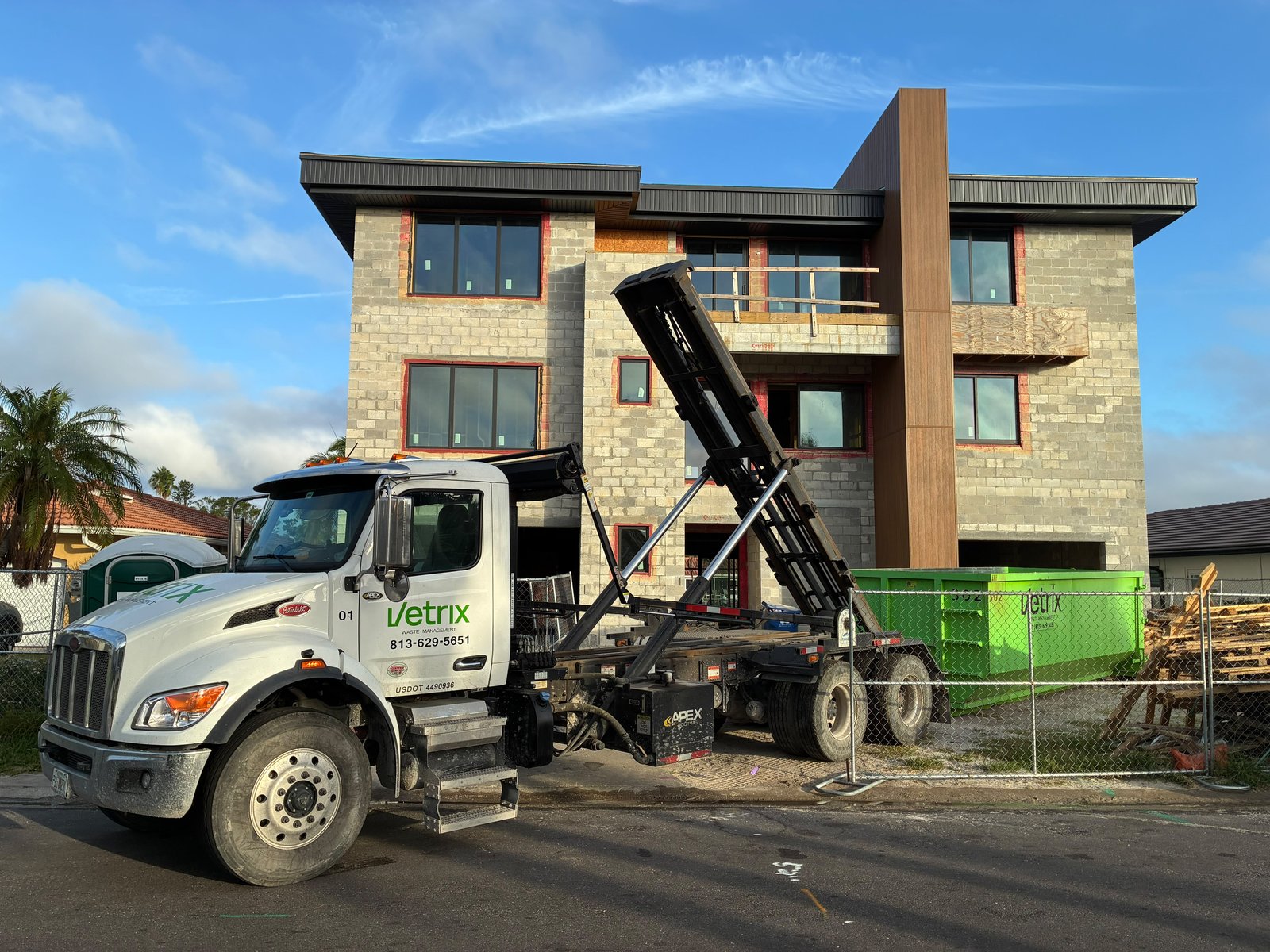
Staffing changes as a project moves from foundation to framing to finishes. Recheck your count when a new trade starts, because more workers on site can mean more toilets.
A Quick Checklist Before the Crew Arrives
Before day one, write down your expected peak headcount, check it against Table D-1, and confirm the toilet type and placement with your provider. Then post the plan where your site supervisor can find it. When the crew grows, repeat the check.
Other OSHA Sanitation Rules to Know
The same section covers more than toilet counts. A few points worth knowing:
- At least one toilet: under temporary field conditions, provisions must be made to assure not less than one toilet facility is available.
- No sewer on site: job sites without a sanitary sewer must provide privies, chemical toilets, recirculating toilets or combustion toilets, unless local codes prohibit them. Chemical toilets are one of the listed options, and local codes can be stricter or different, so check with your county and city.
- Mobile crews: the toilet requirements do not apply to mobile crews that have transportation readily available to nearby toilet facilities.
- Drinking water: an adequate supply of potable water must be provided in all places of employment.
- Washing: lavatories must be made available in all places of employment. That rule does not apply to mobile crews or normally unattended work locations if employees have transportation readily available to nearby washing facilities. Each lavatory needs hot and cold or tepid running water, plus hand soap.
Because rules differ by project and employer, treat this post as a starting point and confirm the details with your safety manager or OSHA.
What to Ask Your Portable Toilet Provider
Before you book, have these answers ready:
- Your peak headcount: the highest number of workers you expect on site at once.
- The address and access: where the units will go and whether a truck can reach the spot.
- How long you need them: plan for the whole project schedule, and tell your provider if the schedule changes.
- Servicing: ask how often units are serviced and cleaned.
- Accessibility: ask whether you need an accessible unit.
Vetrix’s portable toilet page lists standard portable toilets, construction site toilets, disabled access units and regular servicing and cleaning. Tell us about your site and our team will help arrange the right setup.
Portable Toilet Rental Across Florida
Vetrix rents portable toilets across all of Florida. If you manage projects in more than one part of the state, call us and tell us where each one is. If your project is in the Tampa Bay area, we also rent roll-off dumpsters and do demolition in Hillsborough, Pinellas, Pasco, Polk, Manatee and Sarasota counties. That lets a busy site get its portable toilets, a roll-off dumpster and demolition from the same company.
Not sure which dumpster size your build needs? Read our guide on what size dumpster you need.
Portable Toilets for Construction Sites FAQ
How many portable toilets do I need for 15 workers?
OSHA’s Table D-1 lists a minimum of 1 facility for 20 employees or fewer. Your provider can tell you whether more units make sense for comfort and servicing.
How many portable toilets do I need for 40 workers?
The table lists 1 toilet seat and 1 urinal per 40 workers for sites with 20 or more employees. Confirm exactly how that applies to your headcount with OSHA or your safety manager.
Does OSHA’s toilet rule apply in Florida?
Yes. Florida is under federal OSHA jurisdiction, which covers most private-sector workers in the state.
Do you rent portable toilets outside the Tampa Bay area?
Vetrix rents portable toilets across Florida. Tell us the address when you call or book, and we will confirm the details.
Get Portable Toilets for Your Florida Job Site
Call Vetrix at 813-629-5651 or use our booking page. Tell us your address and your peak crew size, and we will help you plan the right number of units.